
Water Softener Resin
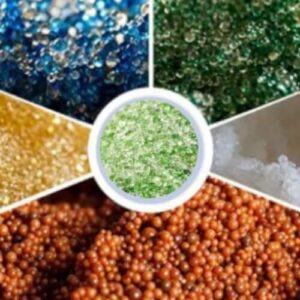
Water Softener Resin
Water softener resin plays a pivotal role in the process of removing hardness minerals from your water, ensuring that you enjoy the benefits of softer and more manageable water at home. However, not all water softener resins are created equal. In this guide, we’ll delve into the world of water softener resin, comparing different types and helping you decide on your specific needs.
Our product range includes a wide range of Turbidity Removal Media Grade 2 Filtration Systems Green Sand Media Glass Filter Media and Turbidity Removal Media Grade 1 Filtration Systems Green Sand Media Glass Filter Media.
Prominent & Leading Manufacturer from Ahmedabad, we offer Turbidity Removal Media Grade 3 Filtration Systems Green Sand Media Glass Filter Media.
Types
Standard Ion Exchange Resin:
The most common type of water softener resin is the standard ion exchange resin. Composed of small, porous beads, this resin efficiently exchanges sodium ions for hardness minerals like calcium and magnesium. It’s a cost-effective and reliable option, suitable for most residential applications. The resin beads come in different mesh sizes, affecting their capacity and performance.
Fine Mesh Resin:
For those seeking a more refined water-softening process, fine mesh resin is a compelling choice. With smaller beads and a higher surface area, fine mesh resin provides precise softening. It is ideal for applications where water quality is crucial, such as in laboratories or medical facilities. It’s particularly effective in handling low to moderate water hardness levels.
High-Capacity Resin:
If you’re dealing with extremely hard water or have a high water consumption, high-capacity resin is designed to meet the challenge. This type of resin boasts larger beads, allowing for increased ion exchange capacity. As a result, it can handle larger volumes of water before requiring regeneration. While it may come with a higher initial cost, the efficiency and longevity it offers can make it a cost-effective choice in the long run.
Macroporous Resin:
Macroporous resin goes beyond the standard ion exchange process by addressing organic compounds and hardness minerals. This type of resin is excellent for water sources containing tannins, color, or other organic impurities. It provides a more comprehensive water treatment solution, making it suitable for households with unique water quality challenges.
Mixed Bed Resin:
For applications requiring ultra-pure water, such as in laboratories, pharmaceuticals, or electronics manufacturing, mixed bed resin is the go-to option. This resin combines cation and anion exchange resins in a single bed, ensuring the removal of both positive and negative ions from the water. The result is water of the highest purity, free from both hard minerals and other impurities.
Technical Specification
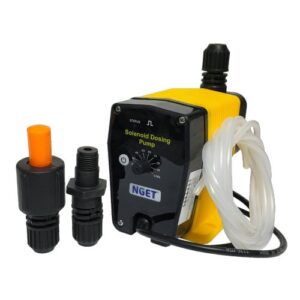
- Power consumption at max speed: 40/80 Watts
- Power Supply: 230v AC. 50 Hz
- Fuse: 500 mA/230v AC
- Operational Environment Temperature: 40 C Max
Can’t find what you need? Ask us!